While modern science has revealed many secrets of the human body, the brain largely remains a mystery. It may be the most complex object in the known universe, and we have barely scratched the surface of understanding how it works. That said, modern neuroscience has advanced significantly, and there are increasingly effective approaches for identifying and addressing cognitive disorders and conditions.
A neuropsychological evaluation is often a critical first step. These evaluations assess a broad range of cognitive abilities through standardized testing, providing a detailed picture of how a person thinks, learns, remembers, and processes information. The results help clinicians understand what is happening in the brain and why, which guides diagnosis and treatment.
Here are the five main categories involved in neuropsychological testing.
The 5 Categories of Neuropsychological Testing
1. Intelligence
Testing intelligence is more complex than it might seem, partly because intelligence itself can be defined in several ways that do not always overlap. More traditional intelligence tests can reflect educational background as much as innate cognitive ability, while other approaches focus on reasoning, abstract thinking, and problem-solving skills that are less dependent on prior learning.
In a clinical setting, patients undergoing a neuropsychological evaluation may have recently experienced a stroke, a brain injury, or another medical event that has disrupted cognitive functioning. In these cases, understanding current intellectual functioning relative to prior ability is an important part of the assessment.
2. Memory
Memory testing is one of the most common reasons people seek a neuropsychological evaluation, and it covers far more ground than most people expect. There are five distinct types of memory assessed: semantic memory (general knowledge), episodic memory (personal experiences), working memory (short-term, active memory), priming memory (the influence of past experiences on current responses), and procedural memory (learned skills and habits).
Short- and long-term memory difficulties are associated with many forms of cognitive dysfunction, from attention disorders and learning disabilities to early signs of dementia or Mild Cognitive Impairment (MCI). Memory testing is a standard component of virtually all comprehensive neuropsychological evaluations.
3. Language
Language testing evaluates speech production and comprehension, as well as reading and writing skills, all of which can be selectively impaired by different conditions. After a stroke, for example, the brain’s language center may be affected while other cognitive functions remain relatively intact. Identifying exactly which aspects of language are involved helps determine the type and severity of impairment and informs rehabilitation planning.
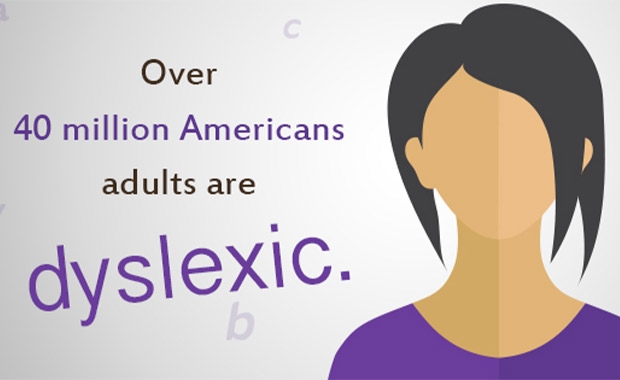
Language testing is also relevant in evaluations for dyslexia and other learning disabilities, where specific reading and writing deficits may exist alongside otherwise strong cognitive abilities.
4. Executive Function
Executive function is an umbrella term for the higher-order cognitive processes that allow us to manage ourselves and our actions. These include organizational skills, selective attention, inhibitory control, aspects of working memory, problem-solving, planning, and cognitive flexibility. Executive function difficulties can significantly affect daily life, work performance, and relationships, and are commonly associated with ADHD, traumatic brain injury, and frontal lobe conditions.
Adults who struggle with task completion, time management, or impulse control often have difficulties rooted in executive function, making this one of the most clinically meaningful areas of neuropsychological assessment.
5. Visuospatial Abilities
Visuospatial testing covers visual perception, visual integration, and visual construction. These tests are designed to identify problems in the parietal lobe and related brain regions through evaluations such as clock-drawing tests and Visual Organization Tasks (VOT). Visuospatial difficulties can affect driving, navigation, reading comprehension, and many practical everyday tasks.
These tests are particularly relevant in the evaluation of dementia, stroke, and other neurological conditions that commonly affect spatial and perceptual processing.
What Neuropsychological Tests Measure Overall
Taken together, these five categories assess your ability to think, learn, remember, and understand the world around you. A comprehensive neuropsychological evaluation also examines motor skills, processing speed, verbal reasoning, perception, decision-making, and attention. The goal is not to assign a single score, but to build a detailed profile of cognitive strengths and weaknesses that can inform a diagnosis and guide treatment planning.
When Is a Neuropsychological Evaluation Recommended?
A physician may recommend a neuropsychological evaluation when there is concern about a cognitive condition such as Alzheimer’s disease, a serious brain injury, or the cognitive effects of depression or anxiety. These evaluations are also useful for adults who are experiencing unexplained memory problems, difficulty concentrating, or a decline in work or daily functioning that cannot be attributed to a clear cause.
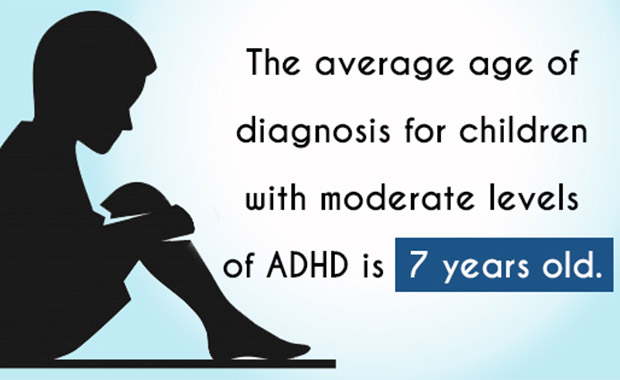
Neuropsychological testing is also commonly used to evaluate attention deficit hyperactivity disorder (ADHD) in both children and adults. It is estimated that 6.4 million American children between the ages of four and 17 have been diagnosed with ADHD, and many adults reach adulthood without ever receiving a formal diagnosis. A neuropsychological evaluation provides the kind of thorough, objective documentation needed to accurately diagnose ADHD and support requests for academic or workplace accommodations.
Evaluations are also appropriate for dyslexia testing, autism spectrum disorder assessment, learning disability evaluations, pre-kindergarten screenings, and cases involving brain fog, stroke recovery, or traumatic brain injury.
What to Expect During a Neuropsychological Evaluation
A neuropsychological evaluation typically begins with a clinical interview covering your history, concerns, and any relevant medical or psychiatric background. This is followed by a testing session using standardized measures across the five categories above. Depending on the scope of the evaluation, testing can range from a few hours to a full day.
After scoring and interpretation, you will receive a detailed written report explaining the findings in clear language, along with specific recommendations. A feedback session is typically scheduled to walk through the results and answer questions.
At the Cognitive Assessment Group, our neuropsychologists provide evaluations in New York City and Chicago, as well as via telehealth for patients in 43 states. If you are in need of neuropsychological testing, ADHD testing, dyslexia testing, or any other form of cognitive evaluation, we are here to help. Contact us today to schedule an appointment.
Frequently Asked Questions About Neuropsychological Testing
There are many reasons a physician or individual might seek a neuropsychological evaluation. Common reasons include memory problems or concerns about cognitive decline, difficulty with attention or focus, a history of brain injury or stroke, a suspected learning disability, concerns about ADHD, or unexplained changes in thinking, behavior, or mood. The evaluation provides an objective, detailed picture of cognitive functioning that clinical observation alone cannot offer.
A neuropsychological evaluation is a comprehensive assessment of brain function conducted through standardized tests and clinical interviews. It measures cognitive abilities across five main categories: intelligence, memory, language, executive function, and visuospatial skills. The results reveal how well different areas of the brain are functioning, which helps clinicians diagnose conditions such as ADHD, dementia, traumatic brain injury, learning disabilities, and more.
A primary care visit or basic screening may flag that a cognitive problem exists, but it cannot define its nature or severity with precision. A neuropsychological evaluation is a much more in-depth assessment that identifies exactly which cognitive abilities are affected, by how much, and in what pattern. This level of detail is necessary for accurate diagnosis, appropriate treatment planning, and documentation for accommodations.
The length of a neuropsychological evaluation varies depending on the referral question and the scope of testing needed. A focused evaluation may take two to four hours, while a comprehensive assessment can require a full day. The initial clinical interview, scoring, interpretation, report writing, and feedback session are additional components that add to the overall timeline. Your clinician can give you a more specific estimate based on your individual situation.
Yes. Neuropsychological testing is one of the most thorough ways to evaluate ADHD in adults. The evaluation assesses attention, working memory, processing speed, and executive function across standardized measures, and also rules out other conditions that can mimic ADHD, such as anxiety, depression, or sleep disorders. For adults seeking an ADHD diagnosis or documentation for workplace or academic accommodations, a neuropsychological evaluation provides the objective, comprehensive evidence that is required.